Pourquoi utiliser Vextrude 3D QR ?
Le générateur de codes QR 3D gratuit le plus avancé du web. Sans inscription, sans filigrane, sans limites.
23 styles de modules
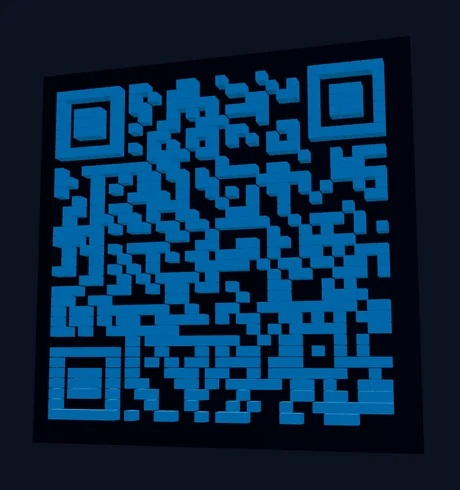
Carrés classiques, points arrondis, étoiles, hexagones, losanges, flèches, engrenages, anneaux et plus. Chaque style génère une géométrie 3D propre, optimisée pour l'impression FDM et résine.
QR WiFi et vCard
Générez des QR codes pour réseaux WiFi (SSID, mot de passe, chiffrement) et cartes de contact (vCard 3.0) — pas seulement des URLs.
Export multi-format
Téléchargez en STL pour l'impression 3D, OBJ pour Blender & Maya, GLB pour le web/AR, 3MF avec données de couleur intégrées pour les imprimantes multicolores, ou SVG/PNG pour usage numérique.
Intégration du logo
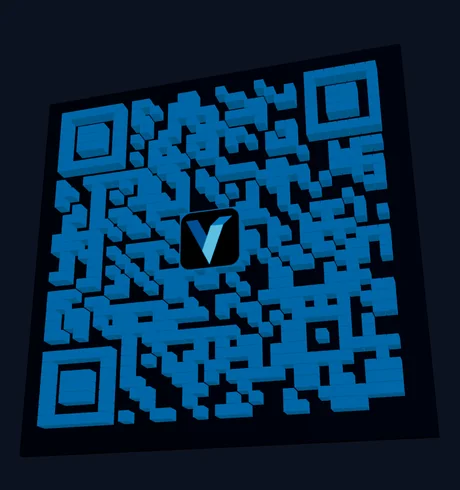
Téléversez votre logo (PNG, JPG ou SVG) et intégrez-le au centre du QR code. Les codes sont générés avec une correction d'erreur Moyenne : gardez le logo petit et testez un scan avant l'impression.
Couleurs du dégradé
Appliquez des dégradés linéaires ou radiaux aux modules QR avec angle et couleurs ajustables. Créez des QR codes accrocheurs qui se démarquent tout en restant entièrement scannables.
Test de scan intégré
Vérifiez que votre QR code fonctionne avant l'impression à l'aide du scanner caméra intégré. Aucune appli externe nécessaire — testez directement dans votre navigateur d'un clic.
Formes de modules
rendu dans cet outil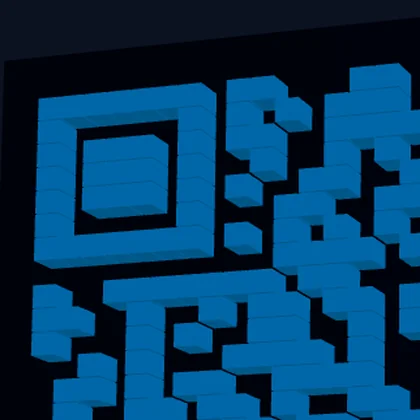

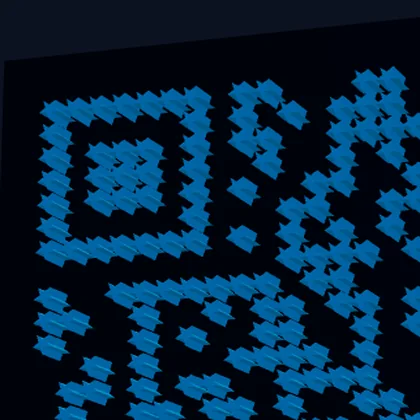
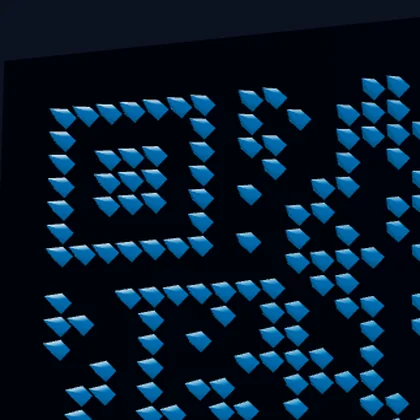
Quatre des formes de modules, le même code, zoomé sur le motif de repérage en haut à gauche pour que la géométrie se voie. Chacune est de la vraie 3D et non une texture : Pyramid se termine en pointe, Dots sont des calottes arrondies. Un lecteur échantillonne le centre de chaque module : c’est pourquoi les formes décoratives restent lisibles.