Warum Vextrude 3D-QR nutzen?
Der fortschrittlichste kostenlose 3D-QR-Code-Generator im Web. Ohne Anmeldung, ohne Wasserzeichen, ohne Grenzen.
23 Modulstile
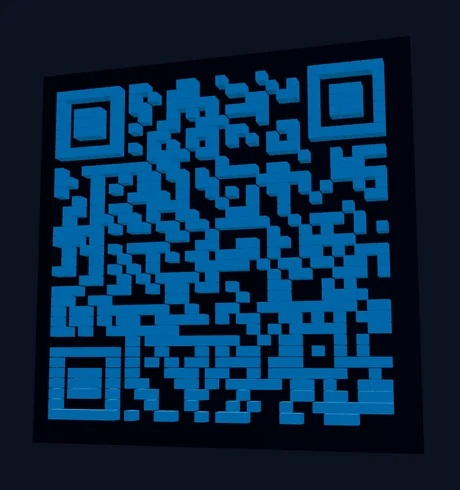
Klassische Quadrate, runde Punkte, Sterne, Sechsecke, Rauten, Pfeile, Zahnräder, Ringe und mehr. Jeder Stil erzeugt eine echte 3D-Geometrie, optimiert für FDM- und Harzdruck.
WiFi & vCard QR
Erzeuge QR-Codes für WiFi-Netzwerke (SSID, Passwort, Verschlüsselung) und Kontaktkarten (vCard 3.0) — nicht nur URLs.
Multi-Format-Export
Lade als STL für 3D-Druck, OBJ für Blender & Maya, GLB für Web/AR, 3MF mit eingebetteten Farbdaten für Mehrfarbdrucker oder SVG/PNG für digitale Nutzung herunter.
Logo-Einbettung
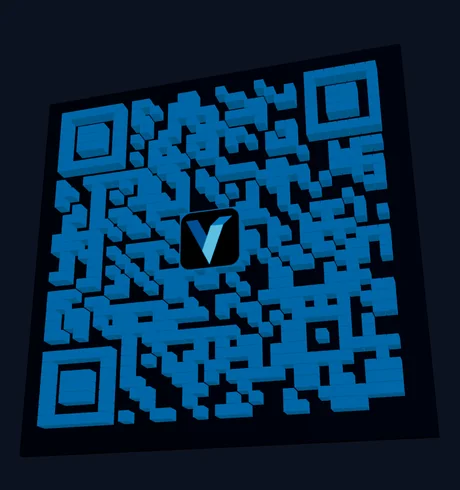
Lade dein Markenlogo (PNG, JPG oder SVG) hoch und bette es in die Mitte des QR-Codes ein. Codes werden mit mittlerer Fehlerkorrektur erzeugt – halte das Logo daher klein und teste einen Scan vor dem Druck.
Verlaufsfarben
Wende lineare oder radiale Verläufe auf QR-Module mit einstellbarem Winkel und Endfarben an. Erstelle auffällige QR-Codes, die hervorstechen und voll scanbar bleiben.
Eingebauter Scan-Test
Prüfe vor dem Druck mit dem eingebauten Kamera-Scanner, ob dein QR-Code funktioniert. Keine externe App nötig — teste direkt im Browser mit einem Klick.
Modulformen
in diesem Tool gerendert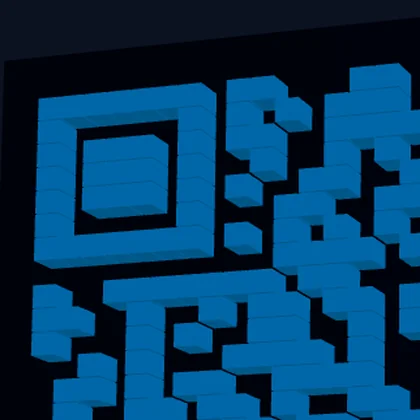

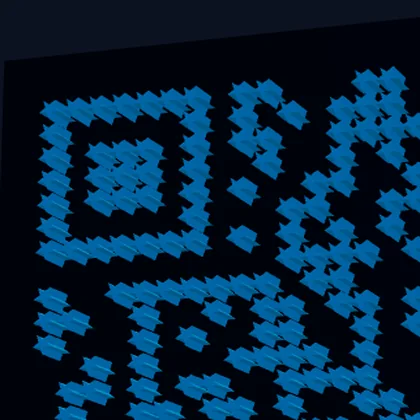
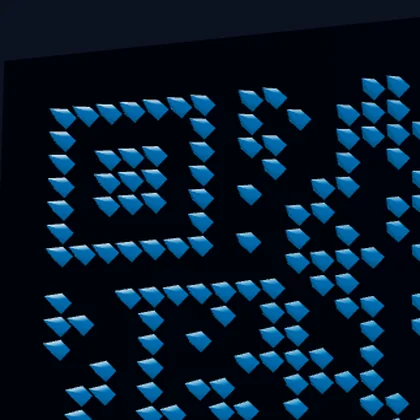
Vier der Modulformen, derselbe Code, herangezoomt auf das Suchmuster oben links, damit die Geometrie sichtbar wird. Jede Form ist echtes 3D und keine Textur — Pyramid läuft spitz zu, Dots sind abgerundete Kuppen. Ein Scanner tastet die Mitte jedes Moduls ab; deshalb bleiben auch dekorative Formen lesbar.